
Top Tips for Equipment Hauling: Choosing the Best Trailer


Understanding Your Hauling Needs
When it comes to equipment hauling, choosing the right trailer is crucial. Understanding your specific needs will help you make an informed decision. Consider the type of equipment you need to transport and how frequently you'll be moving it. This will guide you in selecting the appropriate trailer size and type.
Start by evaluating the weight and dimensions of your equipment. Ensure the trailer you choose can handle the load safely. A trailer that is too small or lacks the necessary weight capacity can lead to dangerous situations on the road.
Types of Trailers for Equipment Hauling
There are several types of trailers available for hauling equipment. Each type has its unique features and benefits. Understanding these can help you decide which is the best fit for your needs.
Flatbed Trailers
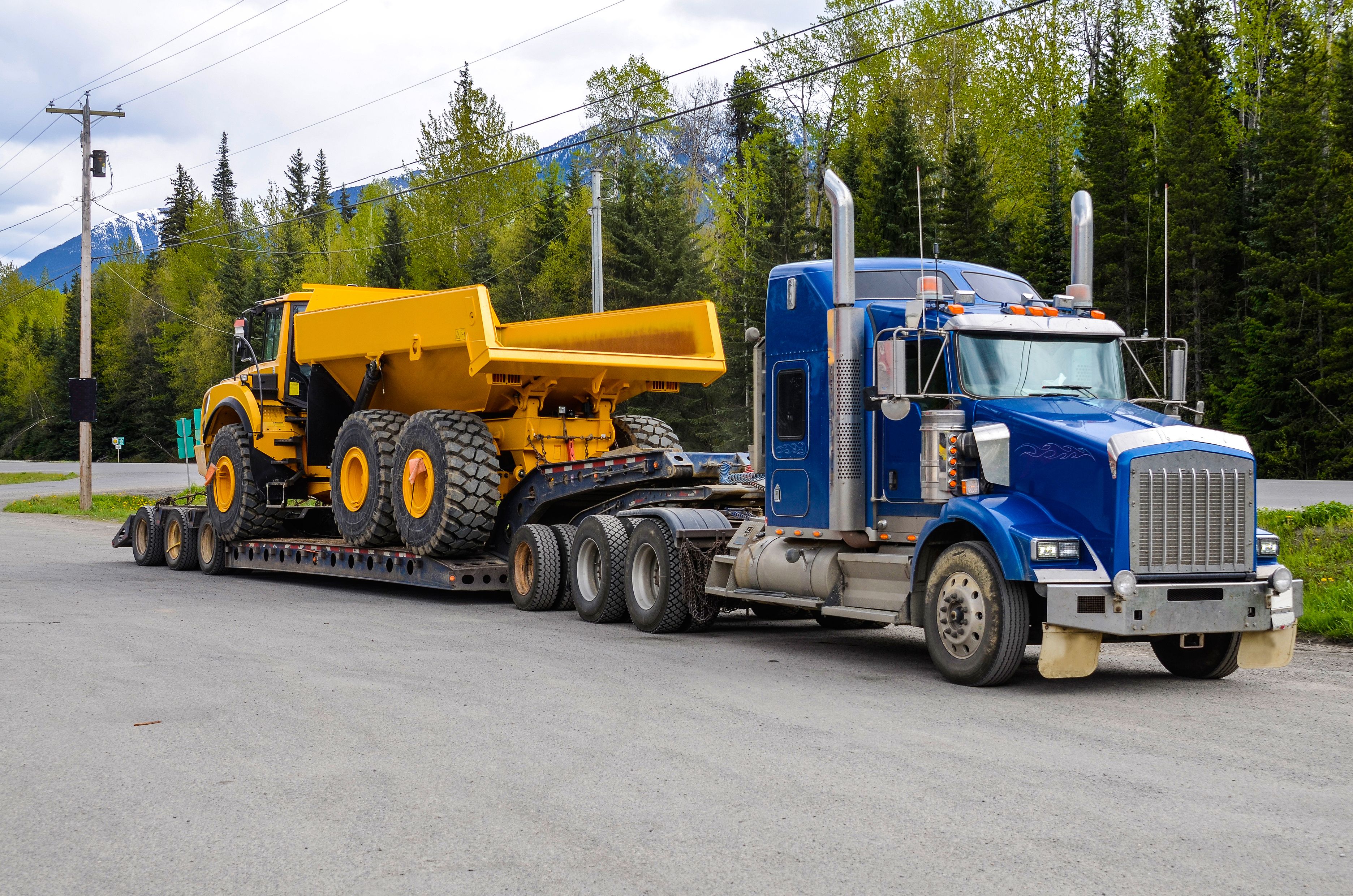
Flatbed trailers are versatile and popular for transporting a wide range of equipment. They provide easy loading and unloading, making them ideal for heavy machinery and oversized loads. However, they offer no protection against weather conditions.
Enclosed Trailers
For equipment that requires protection from the elements, enclosed trailers are a great choice. They offer security and weatherproofing, ensuring that your valuable equipment is safe during transit.
Considerations for Choosing a Trailer
When selecting a trailer, it's important to consider several factors. These include the trailer's weight capacity, durability, and ease of use. Additionally, think about the towing capacity of your vehicle to ensure it can handle the trailer and equipment load.
Check the trailer's build quality and materials. Opt for trailers made from high-quality materials to ensure longevity and reliability. Features like ramps and tie-down points can also enhance usability and safety.
Legal and Safety Requirements
Complying with legal and safety requirements is essential when hauling equipment. Ensure your trailer meets all regulatory standards and that your load is properly secured. Failure to adhere to these regulations can result in fines or accidents.
Invest in additional safety features like reflective tape, proper lighting, and safety chains. These can greatly enhance visibility and stability on the road.
Maintenance and Upkeep
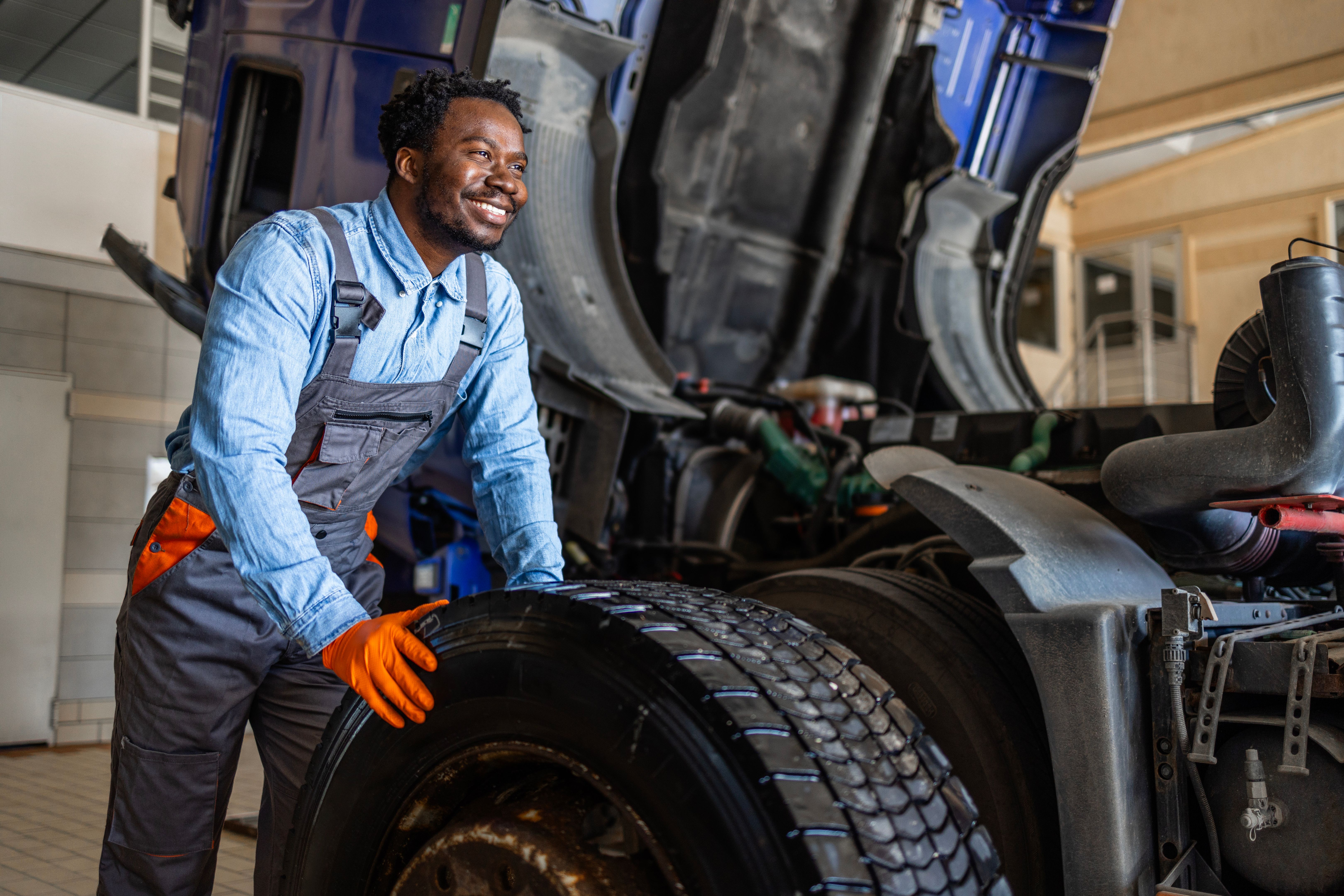
Regular maintenance of your trailer is vital to ensure its longevity and performance. Check tire pressure, brakes, and lights before each trip to prevent unexpected issues. Regularly inspect the trailer for signs of wear and tear, addressing any problems promptly.
Maintaining your trailer not only guarantees safety but also enhances efficiency, saving you time and money in the long run.
Conclusion
Choosing the best trailer for equipment hauling requires careful consideration of your specific needs, trailer types, and safety requirements. By taking the time to understand these factors, you can select a trailer that provides reliability and safety, ensuring your equipment arrives at its destination without a hitch.