
How to Choose the Right Dump Trailer for Your Equipment Hauling Needs


Understanding Your Hauling Needs
Choosing the right dump trailer for your equipment hauling needs begins with understanding what you plan to transport. Are you hauling heavy machinery, construction materials, or landscaping equipment? The type of load will significantly impact the size, strength, and design of the trailer you should choose. Consider the weight and dimensions of your equipment to ensure the trailer can handle the load.
Additionally, think about the frequency of use. If you plan to use the trailer regularly, investing in a durable and high-quality model is essential. On the other hand, for occasional use, a more cost-effective option might suffice.
Types of Dump Trailers
There are several types of dump trailers available, each suited for different tasks. The most common include:
- Standard Dump Trailers: Versatile and suitable for a variety of materials.
- Gooseneck Dump Trailers: Provide better stability and weight distribution, ideal for heavier loads.
- Hydraulic Dump Trailers: Feature hydraulic systems for easy unloading, perfect for frequent use.
Understanding the differences can help you choose a trailer that meets your specific needs and provides the functionality you require.
Consider the Size and Capacity
The size and capacity of the dump trailer are crucial factors to consider. Ensure that the trailer is large enough to accommodate your equipment without exceeding weight limits. Overloading a trailer can lead to safety hazards and potential damage. Check the Gross Vehicle Weight Rating (GVWR) to determine the maximum load capacity.
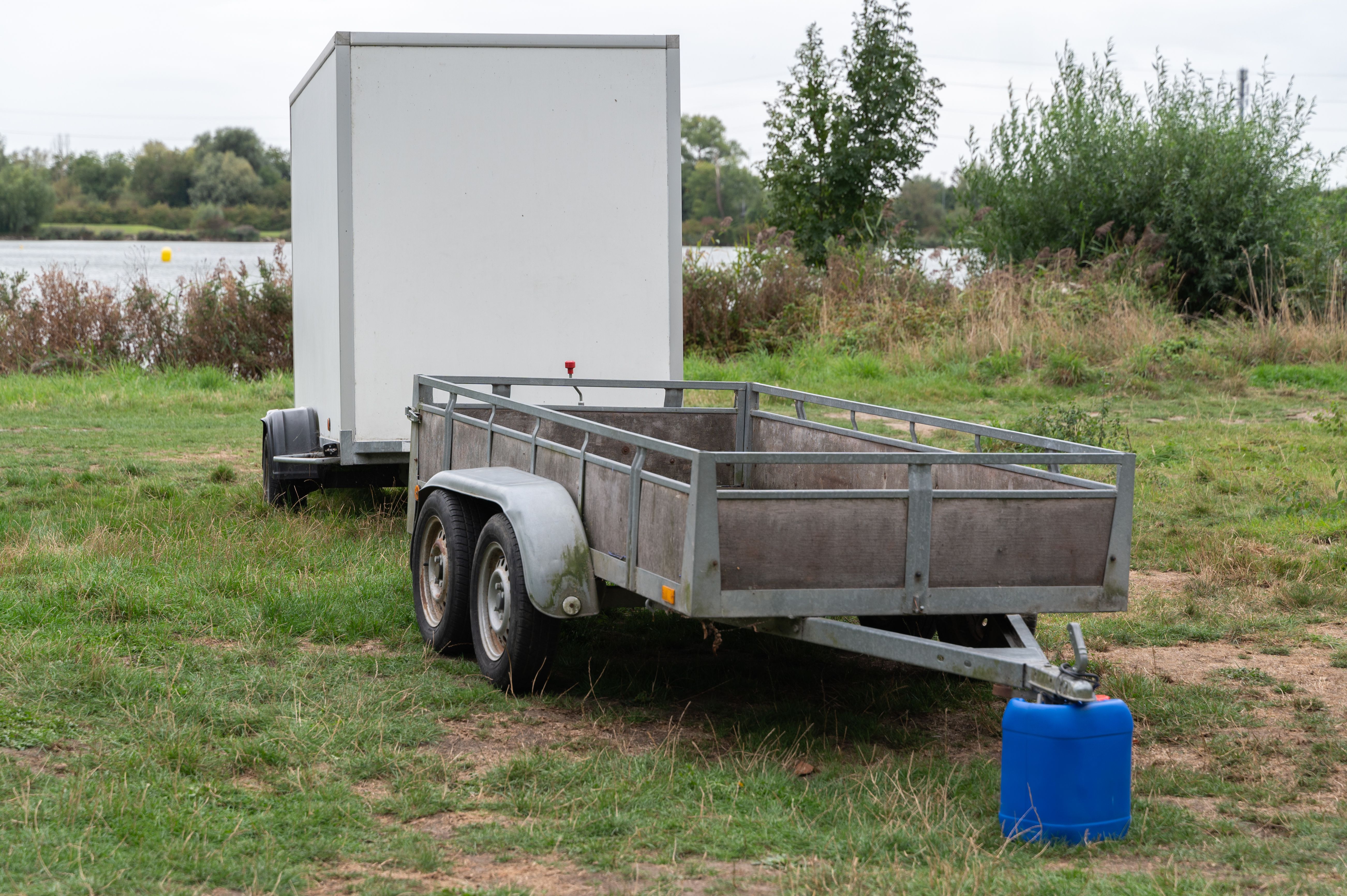
Also, think about the length and width of the trailer bed. These dimensions should align with the size of your equipment to ensure a secure fit during transport.
Material and Build Quality
The material of the dump trailer affects its durability and performance. Common materials include steel and aluminum. Steel trailers are known for their strength and durability, making them ideal for heavy-duty tasks. However, they can be prone to rust. Aluminum trailers, on the other hand, are lightweight and resistant to corrosion, although they may not be as strong as steel options.
Consider the build quality, including the welds and joints, to ensure the trailer can withstand regular use and challenging conditions. Investing in a well-constructed trailer can save you money on maintenance and repairs in the long run.
Additional Features and Accessories
Many dump trailers come with additional features and accessories that enhance their usability. Look for options like tarp systems, side extensions, ramps, and toolboxes. These features can make loading, unloading, and securing your equipment more efficient and convenient.
Some trailers also offer customizable options to better suit your specific hauling needs. Consider what additional features are necessary for your operations and choose a trailer that provides these options.
Budget Considerations
Your budget will play a significant role in determining the right dump trailer for your needs. While it's important to find a trailer that fits within your financial constraints, remember that cheaper options may lack durability and features. Investing in a quality trailer can provide long-term value and reliability.
Consider financing options if available, and compare prices from different manufacturers and dealers to ensure you’re getting the best deal for your money.
Conclusion
Choosing the right dump trailer for your equipment hauling needs involves careful consideration of various factors, including the type of equipment, trailer size, build quality, and additional features. By understanding your specific requirements and budget, you can select a trailer that provides efficiency, safety, and reliability for your operations.